You need new tires, and you have questions. What type of tire do I really need? What do terms like “all-season” and “all-terrain” really mean? What tire is best for my Kia vehicle?
Roseville Kia brings simplicity to tire buying (and owning). We’re here to help you with tire selection, professional installation, and preventive maintenance for a long tire life. We even check your tire pressure and tread wear as part of every Roseville Kia Multi-Point Inspection
, no matter what auto repair or maintenance service brings you to Roseville Kia.
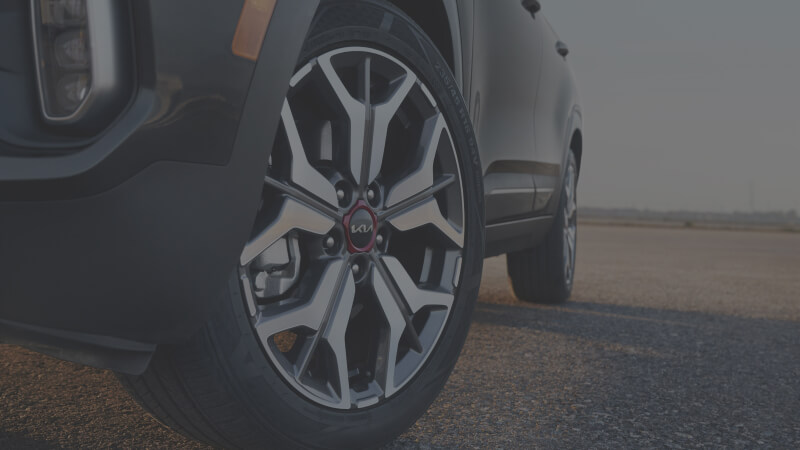
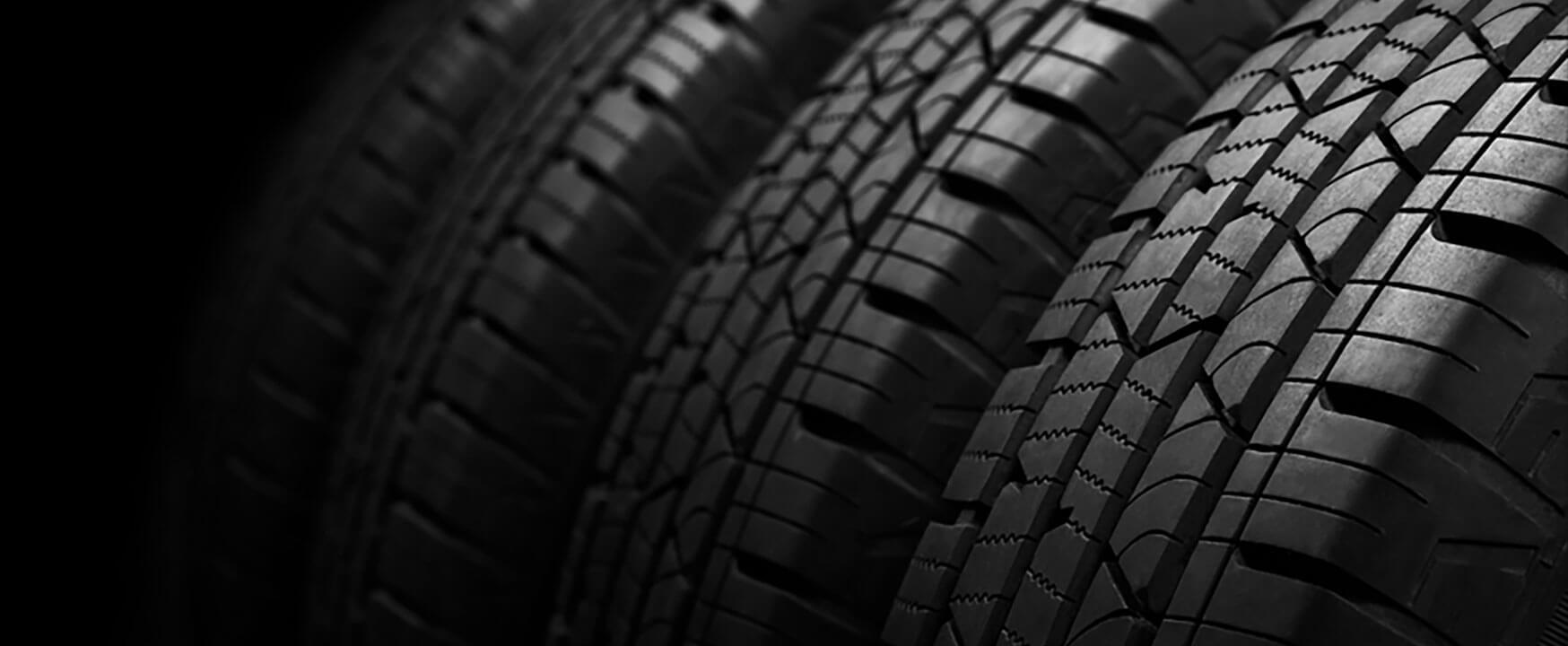
What kinds of tires can I buy from Roseville Kia?
Seasonal Tires - Change these tires twice a year for the best possible tire performance in summer and winter.
- Snow/Winter Tires: The strongest possible winter traction thanks to tread edges that bite into ice and snow, generous channels that send away slush - and rubber that stays supple at lower temperatures than other tires.
- Summer Tires: Lower rolling resistance (and less fuel consumption) than winter, all-season, or off-road tires thanks to flatter treads (for more road contact) - and rubber formulated for warmer temperatures.
Related:
When to switch between summer and winter tires
Year-Round Tires - Not into changing tires along with the seasons? These versatile tires balance the features needed for summer and winter driving, on and off the roads.
- All-Season Tires: The tires that come with most passenger cars. Ideal for street driving in areas where winters are moderate (at worst).
- All-Terrain Tires: Multipurpose marvels that balance off-road traction and durability with comfortable, responsive highway handling. Ideal for a mixture of street driving and moderate off-road use.
- Mud Tires: Off-road specialists that power through mud, rocks, sand, dirt, and deep snow. Ideal for primarily off-road use (especially on challenging terrain).
- Low Profile Tires: Enhanced cornering and handling thanks to wide treads and short sidewalls.
- Performance Tires: Excellent traction, maneuverability and performance thanks to soft rubber compounds and stiff sidewalls.
Want the best snow traction in a year-round tire?
Look for the three-peak mountain snowflake (3PMSF) symbol on tires rated for severe snow service. To qualify, a tire must achieve 10% better traction over medium packed snow in manufacturer tests. The mountain snowflake symbol is found on most dedicated snow tires - and select (year-round) all-terrain and all-season tires. Learn more about severe snow-rated tires.
You should replace any tire that shows one or more of these signs of age, damage, or wear:
- Low tread depth: Replace tires that have worn down below the recommended tread depth. The U.S. legal minimum tread depth is 2/32.” You may want to replace your tires at a higher tread depth depending on manufacturer recommendations, or your specific driving conditions.
- Sidewall damage: Tires with cracks, punctures, blisters, or bulges in the sidewall are no longer structurally sound and cannot be repaired.
Your Kia-Certified Roseville Kia technician can help you identify these tire safety hazards, and help you select your perfect replacement tires.
At what tread depth should tires be replaced?
The legal minimum tire tread depth in the United States is 2/32” and many tire experts recommend replacing tires at 4/32”-6/32” tread depth or less, especially for tire types that benefit from a deeper tread (snow tires, all-terrain tires, or mud tires). Testing multiple winter tire brands at 5/32”-6/32” tread depth (or 50% of original tread depth), Consumer Reports saw a 14.5% decline in snow traction when accelerating, and a 7% increase in wet stopping distance compared to the tires’ original tread depth.
How to tell if your tire tread depth is too low, and you need to replace your tires:
- Use a tire tread depth gauge for a precise measurement.
- Take the Penny Test: Insert a penny (head first) into your tire tread. If you can see the top of Lincoln’s head, it’s time for new tires. If the top of Lincoln’s head is covered, your tread is deeper than 2/32”. On the tail side, if the top of the Lincoln Memorial is covered, your tread is deeper than 6/32”.
- Take the Quarter Test: If the top of Washington’s head is covered, your tire tread is deeper than 4/32”.
- Check the wear bars: Tire wear bars are situated at 2/32” of tread depth, so if any wear bar is worn, replace the tire right away. It’s below the legal minimum tread depth.
Check tread depth on several parts of the tire, especially if you see uneven wear patterns. And talk to a Roseville Kia tire expert to help you decide how low your tread depth can go.
Do you need an alignment with new tires?
It’s a good idea to have your wheel alignment checked when you buy new tires, to ensure that your new tires wear down evenly from the day you drive them home. We also recommend having your alignment checked regularly to extend the life of your tires - it’s especially convenient to do this when your vehicle is in for services like tire rotation.
Related:
Learn more about Wheel Alignment
Do new tires need to be balanced?
While tire imbalance is a common side effect of bumpy roads and other driving hazards, new tires should be checked for balance before mounting. Even new tires can have natural imbalance from the factory. Starting off with balanced tires and having the balanced checked as a regular part of tire service will help extend the life of your tires.
Related:
Learn more about Tire Balancing
Do I need a new TPMS with new tires?
Roseville Kia recommends installing a TPMS Service Kit with every tire purchased on a TPMS sensor vehicle and testing the TPMS sensor to ensure it’s measuring your tire pressure correctly. Maintaining proper tire pressure extends the life of your tires by preventing premature edge wear and other damage. And your TPMS system is there to alert you to dangerously low tire pressure - and the blowout risk it brings. You don’t want to miss this warning due to incorrect pressure measurements or a malfunction in your TPMS’s alert function.
Related:
Learn more about TPMS






 Warranties include 10-year/100,000-mile powertrain and 5-year/60,000-mile basic. All warranties and roadside assistance are limited. See retailer for warranty details.